
Getting hurt in a crash with an Amazon delivery van leaves you dealing with pain, missed work, and a company that seems designed to dodge the question of who is responsible.
An Amazon delivery accident lawyer in Houston identifies which company employs the driver who hit you, since Amazon delivery vans are operated by independent Delivery Service Partner companies, not Amazon itself.
Amazon structures its delivery network through outside contractor companies, shaping every part of a claim, from the insurance policy involved to whether Amazon itself may share responsibility.
Suits & Boots Injury Lawyers runs every Amazon delivery claim through a 30-Day Investigation, at no cost and with no obligation, to trace the DSP structure back to the actual company and policy responsible.
Call (713) 955-5000 for a free Amazon accident case review.
How Do Suits & Boots Injury Lawyers Help After an Amazon Delivery Accident?
Our firm identifies the driver's employer, pulls the applicable insurance policy, and builds the claim around the party that caused the crash.
Amazon's delivery network involves layers of contractors, and sorting through those layers is where most of the early work happens.
We also look at whether Amazon's conduct, such as unrealistic delivery quotas or route scheduling, played a role in the crash.
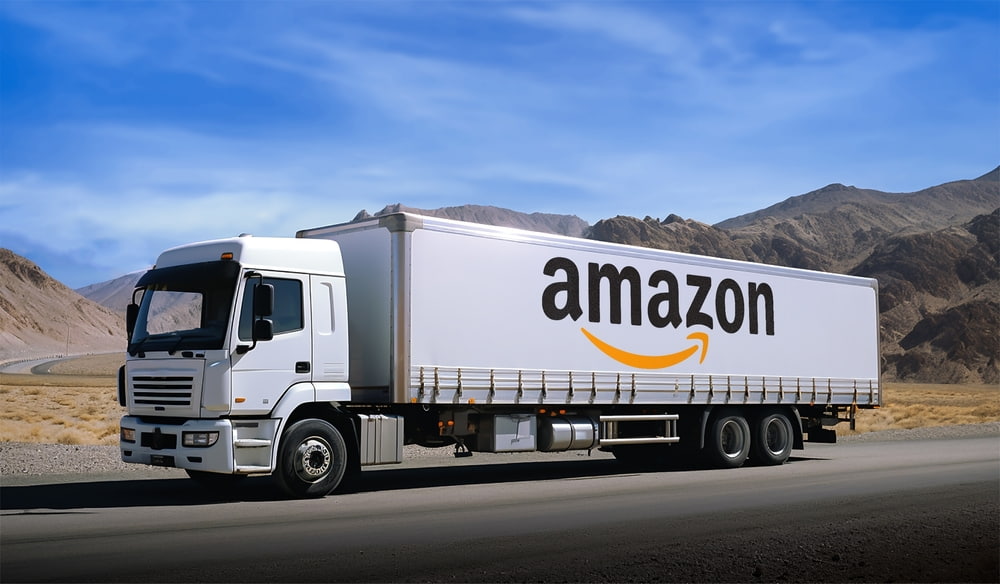
What Is Amazon's Delivery Service Partner Program?
Amazon's Delivery Service Partner (DSP) program contracts with independently owned companies to hire drivers and operate Amazon-branded delivery vans. These DSP companies, not Amazon, generally serve as the driver's legal employer.
Amazon requires DSPs to carry commercial auto insurance, sometimes with limits as high as one million dollars, and to follow Amazon's branding and delivery standards. A separate program, Amazon Flex, uses independent contractors who deliver packages in their own personal vehicles rather than a branded van.
Who Is Liable When an Amazon Delivery Van Causes a Crash?
Liability falls on the DSP company that employs the driver, though Amazon itself may share responsibility depending on how much control it exercised over the delivery route and timing. The table below breaks down how liability typically plays out across Amazon's delivery programs.
| DSP Driver | Amazon Flex Driver | |
| Vehicle | Amazon-branded van, usually leased or owned by the DSP | Driver's personal vehicle |
| Primary insurance | Commercial auto policy held by the DSP | Driver's personal policy, with possible contingent coverage from Amazon |
| Typical defendant | The DSP company, and sometimes Amazon | The individual driver, and possibly Amazon's contingent policy |
Some courts have allowed claims against Amazon directly when evidence shows Amazon exercised significant control over a DSP's drivers and vehicles, beyond a customer-vendor relationship.
Why Does Amazon's Level of Control Over DSPs Matter?
Amazon's contracts with DSP companies set delivery quotas, routing software, uniform requirements, and performance standards that DSPs must follow closely. That level of control forms the basis for arguments that Amazon functions as more than a distant customer of an independent business.
A DSP owner generally has little room to set their own delivery routes or timing once Amazon's routing app assigns the day's stops. When a crash traces back to an unrealistic delivery volume or a route that required unsafe driving to complete on time, that operational detail may support a claim that reaches beyond the DSP company itself.
Proving this kind of control requires internal DSP records, Amazon's contractual terms with that DSP, and documentation of the specific route assigned on the day of the crash.
What Types of Amazon Delivery Accidents Happen in Houston?
Amazon delivery vans travel dense residential routes with frequent stops, which creates a distinct accident pattern compared to long-haul freight trucks. The most common types of accidents we see in Houston include:
- Rear-end collisions caused by frequent stopping and starting on residential streets
- Backing accidents in driveways, apartment complexes, and cul-de-sacs
- Pedestrian and cyclist injuries near delivery stops in dense neighborhoods
- Distracted driving tied to in-van routing apps and delivery quotas
- Fatigue-related crashes during long shifts with tight delivery windows
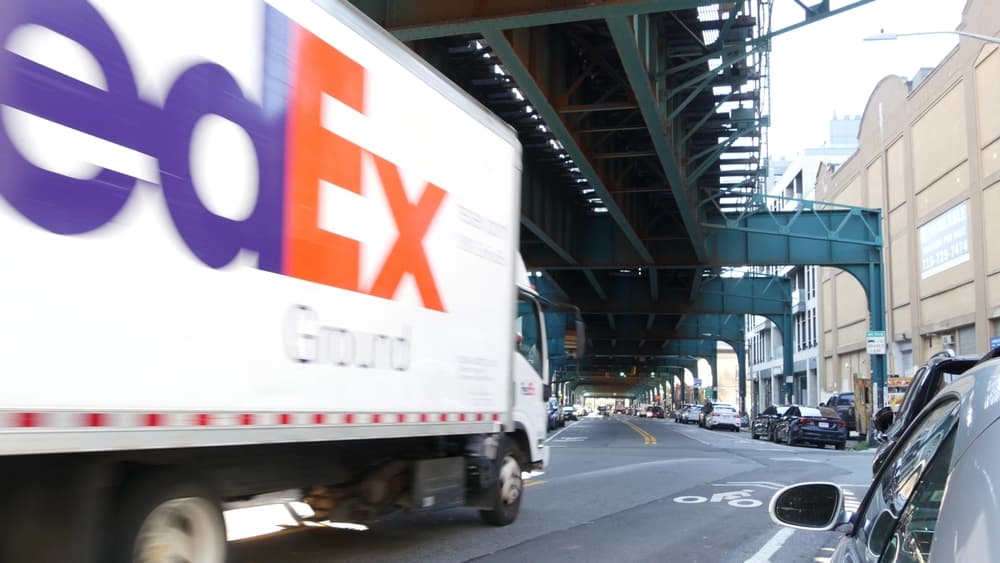
How Is an Amazon Accident Different From a FedEx Accident Claim?
Amazon delivery vans generally fall below the federal weight threshold that requires a commercial driver's license, unlike many FedEx freight trucks. That difference changes which federal regulations apply and what records may exist for the vehicle.
A FedEx tractor-trailer falls under Federal Motor Carrier Safety Administration rules covering driver logs, vehicle inspections, and hours of service. A standard Amazon delivery van, closer to a large passenger van, usually does not carry those same federal recordkeeping requirements.
That distinction changes what evidence exists after a crash.
| FedEx | Amazon DSP | |
| Key evidence | Federal driver logs and inspection records | The DSP's internal records and routing app data |
| Driver relationship | Frequently direct employees or long-term contractors | Independent contractor, hired by a separate DSP company |
| Insurance and record-keeping | Established insurance programs with consistent standards | Varies widely by DSP in size, insurance limits, and record-keeping |
What Evidence Proves Fault in an Amazon Delivery Crash?
Evidence connecting the crash to the driver, the DSP company, and Amazon itself forms the foundation of a strong claim.
- Photos of the van's markings, license plate, and any visible DSP company name
- The police report from the responding Houston-area department
- Routing app data showing the driver's assigned stops and delivery windows
- Witness statements from residents or nearby businesses
- The DSP company's insurance information and driver employment records
Where Do Amazon Delivery Accidents Happen Most Often in Houston?
Amazon delivery accidents in Houston cluster around a handful of area types, each with its own pattern of risk and evidence. Recognizing which type applies to a specific crash helps determine what to look for early.
- Dense residential neighborhoods like the Heights, Montrose, and Midtown, where a high concentration of stops packed into a single route raises the pace drivers may feel pressured to keep
- Apartment complexes with heavy daily delivery volume and frequent turnover of vehicles in tight parking areas
- Suburban neighborhoods with narrow streets and frequent cul-de-sacs, particularly during backing maneuvers in driveways
- Areas with fewer independent witnesses than a major roadway, where the police report and any nearby doorbell camera footage carry more weight in building the case
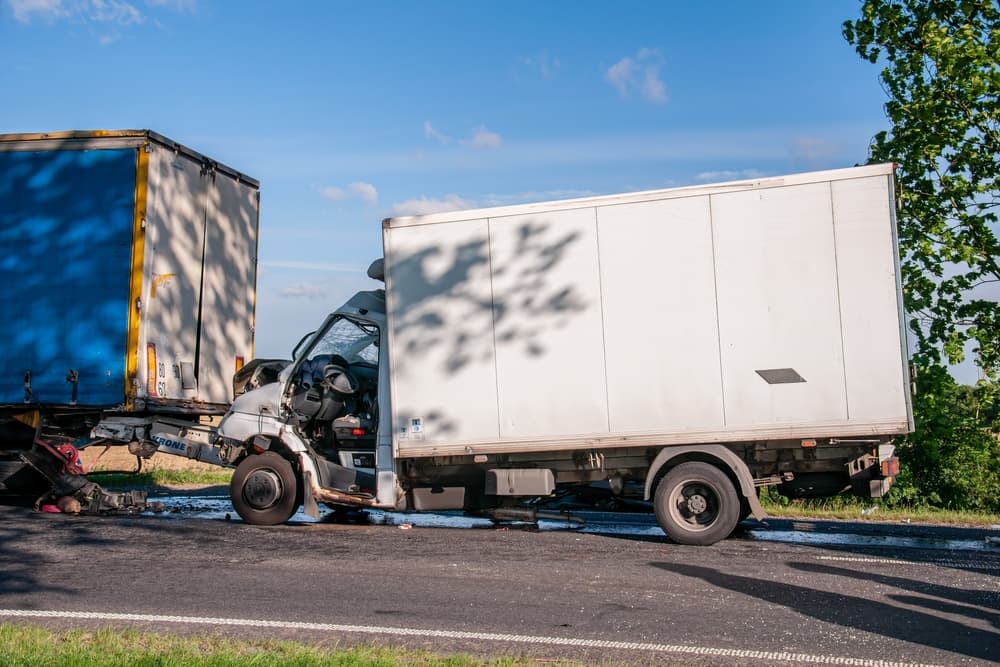
What Happens If the DSP Company Has Closed or Changed Names?
A DSP company shutting down does not eliminate a valid claim, though it does complicate the process of collecting on it. Many DSP contracts require ongoing insurance coverage that survives the company's closure for a set period, and that policy may still respond to a claim tied to an earlier crash.
Amazon also maintains contractual relationships with each DSP that may include indemnification or backup coverage requirements, depending on the specific agreement in place at the time of the crash.
Identifying a defunct DSP's insurer generally requires pulling records from the Texas Department of Insurance or the state where the DSP was registered, along with any documentation Amazon retains about that specific contractor relationship.
Was the Driver Working Within the Scope of Employment During the Crash?
Scope of employment determines whether a DSP or Amazon bears responsibility for a driver's conduct at the exact moment of the crash. A driver actively making deliveries, following an assigned route, generally falls within scope, which supports a claim against the employer rather than the driver alone.
A driver who deviated from the route for a personal errand unrelated to work raises a different question, since that deviation may shift responsibility back to the driver individually rather than the company. Routing app data usually settles this question quickly, since it shows whether the vehicle was on an assigned delivery path or had strayed from it at the time of the crash. This distinction rarely gets raised without someone looking for it, which is part of why an early records request matters.
What If the At-Fault Driver Has Insufficient Insurance Coverage?
Insufficient coverage from a DSP or an underinsured Amazon Flex driver does not necessarily end the possibility of full recovery. Your own auto policy's uninsured or underinsured motorist coverage may apply as a backup source once the at-fault party's insurance limits are exhausted.
Texas insurers must offer this coverage, though a policyholder may reject it in writing, which makes checking your own policy details worth doing early in the process.
A claim involving a DSP or Amazon Flex driver with minimal coverage may also justify a closer look at whether Amazon's own contingent liability policy applies, particularly if the DSP's limits fall short of the actual damages involved.

What Compensation Can I Recover After an Amazon Delivery Accident?
What you can recover depends on which company and insurance policy end up responsible, whether that's the DSP, the driver, or Amazon itself in some cases. A claim built around the correct policy generally covers more than a quick settlement offered before that determination is made.
- Medical costs, including past bills and anticipated future treatment
- Lost wages and reduced future earning capacity for a serious injury
- Compensation for pain and physical limitation
- Property damage to a vehicle, home, or other personal property
- Long-term care costs for injuries that leave permanent limitations
The available amount depends on which insurance policy applies and how clearly the evidence establishes fault.
What Should You Do After Being Hit by an Amazon Delivery Driver?
The steps taken right after a crash with a delivery van often determine how easily the responsible company and policy can be identified later. Amazon vans move through routes quickly, and evidence tied to a specific stop does not stay easy to find for long.
- Photograph the van, including any Amazon branding and the license plate
- Get medical attention, even if the injury seems minor at first
- Call the police and request a copy of the report
- Identify witnesses, including anyone at nearby homes or businesses
- Speak with a lawyer before giving a recorded statement to any insurance company
How Long Do You Have to File a Claim in Texas?
Texas Civil Practice and Remedies Code Section 16.003 generally gives an injured person two years from the date of the accident to file a personal injury lawsuit. A crash report filed under Texas Transportation Code Section 550.026 also supports the claim and is worth requesting early.
FAQ for Houston Amazon Delivery Accident Lawyer
The van that hit me only had a plain Amazon logo, no other company name. Does that matter?
Yes, it matters, since a plain Amazon logo alone does not tell you which company actually employs the driver. Many DSP vans display only Amazon branding without listing the contractor's name, so identifying the operating company usually requires the police report, a records request to Amazon, or the DSP's registered agent information rather than relying on the markings alone.
Can I sue Amazon directly instead of the driver's company?
Sometimes, a claim can reach Amazon directly instead of stopping at the DSP company. Whether that claim succeeds depends on how much control Amazon exercised over the driver's route, delivery timing, and working conditions on the day of the crash. Courts look closely at whether Amazon acted more like an employer than a distant customer of the DSP.
What if the driver was using their car for Amazon Flex deliveries?
When an Amazon Flex driver causes a crash while using their own car, that driver's personal auto policy applies first to any injury claim. Amazon's contingent liability coverage may step in as a backup source if the driver's personal policy limits fall short of the actual damages, though confirming that coverage applies takes a closer records review.
The DSP company seems hard to find online. How do I identify them?
A DSP company that seems hard to find online can usually still be identified through a few reliable sources. The police report often names the company, the van's markings or decals can narrow it down, and a records request to Amazon or the DSP's registered agent typically reveals the company's legal identity when other methods come up short.
Does Amazon carry insurance for its delivery vans?
Generally yes, though the coverage works indirectly through Amazon's contractor requirements rather than a policy Amazon issues itself. Amazon requires its DSP companies to carry commercial auto insurance, often with limits as high as one million dollars, and Amazon Flex includes contingent coverage in some situations when a driver's personal policy is not enough.
Do I need a lawyer if the DSP's insurance already offered a settlement?
Maybe, and an early settlement offer is worth a second look before signing anything. Insurers extend an offer before the full cost of an injury, including future treatment and lost income, is fully known. Having a lawyer review the offer against your actual damages protects against accepting a payout that turns out to be too low.
Can I recover damages if I was partly at fault for the crash?
Yes. Texas law allows recovery even when you share some fault for the crash. Your share of fault cannot exceed 50 percent, and if it does, the claim is barred entirely under state law. When fault falls at or below that threshold, the final award gets reduced by your percentage of responsibility.
What does a free case review with Suits & Boots involve?
A free case review with Suits & Boots starts with a look at the facts of the crash, including the van's markings and any available reports. From there, the firm identifies the responsible company or companies and gives a clear answer about whether pursuing a claim makes sense, all before any fee gets discussed.
Does this firm handle other commercial vehicle accidents besides Amazon?
Yes, this firm handles a full range of commercial vehicle accidents throughout the Houston area beyond Amazon delivery crashes. That work includes freight trucks, company fleet vehicles, rideshare accidents, and other delivery vans operated by different logistics companies, each carrying its own set of insurance and liability questions to sort through.
Call Suits & Boots Injury Lawyers for Your Amazon Delivery Accident
An Amazon delivery accident often involves more than one company and more than one insurance policy. Suits & Boots Injury Lawyers sorts out the DSP structure, insurance coverage, and Amazon's own role before building your claim.
Call (713) 955-5000 for a free Amazon accident case review.