When you’re hit by a drunk driver, you might think the criminal case against them is the only path to justice. However, you can absolutely file a civil lawsuit to recover money for your medical bills and other losses, and the outcome of that criminal case doesn't have to stop you. A Houston drunk driving accident lawyer can help you understand your right to seek financial recovery through a separate personal injury claim.
Key Takeaways about Filing a Civil Lawsuit after a Houston Drunk Driving Accident
- A criminal case for DWI and a civil lawsuit for personal injury are two completely separate legal actions with different goals and standards of proof.
- The primary goal of a criminal case is to punish the offender, while the goal of a civil lawsuit is to provide financial victim compensation to the person who was harmed.
- An injured person can pursue and win a civil lawsuit even if the drunk driver is found "not guilty" in their criminal trial.
- The standard of proof is lower in a civil case ("preponderance of the evidence") than in a criminal case ("beyond a reasonable doubt"), making it easier to prove fault.
- In Texas, victims of drunk drivers may be able to recover money for medical costs, lost income, property damage, pain and suffering, and potentially punitive damages.
- There are strict deadlines, known as the statute of limitations, for filing a personal injury claim in Texas, making it important to understand one's rights promptly.
Two Paths to Justice: The Criminal Case vs. Your Civil Lawsuit
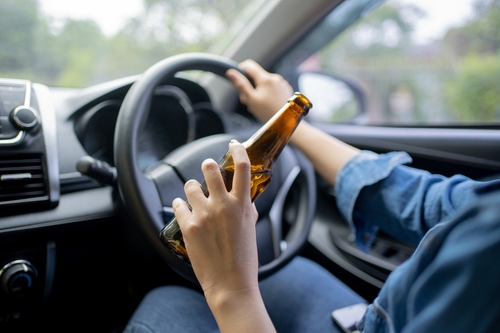
After a drunk driving wreck on a busy road like the Katy Freeway or I-69, you’ll likely hear about two different types of legal cases moving forward: a criminal case and a civil case. It's easy to mix them up, but they are very different, like two separate games with their own unique rulebooks and prizes, and both rely heavily on evidence after a drunk driving car accident.
The criminal case is the one you see most often on TV. This is where the State of Texas, represented by a prosecutor, charges the driver with a crime like Driving While Intoxicated (DWI).
- Who is involved: The State of Texas vs. the drunk driver (the defendant). You are considered a witness, not a main party in the case.
- What is the goal: The goal is punishment. If found guilty, the driver could face fines, jail time, license suspension, and other penalties under the Texas Penal Code § 49.04.
- What is the standard of proof: The prosecutor must prove the driver is guilty “beyond a reasonable doubt.” This is a very high standard, meaning the jury or judge must be almost 100% certain of guilt.
The civil case, or personal injury claim, is your separate and direct path to getting compensation for the harm you suffered. This is where you, the injured person (the plaintiff), file a lawsuit against the person who caused your injuries (the defendant).
- Who is involved: You (the plaintiff) vs. the at-fault driver (the defendant).
- What is the goal: The goal is financial recovery. It’s about getting the money you need to cover your medical bills, lost wages, and other damages caused by the accident.
- What is the standard of proof: To win, you only need to prove your case by a “preponderance of the evidence.” This is a much lower standard than in a criminal case.
Think of it this way: the criminal case is about holding the driver accountable to society for breaking the law, while your civil lawsuit is about making them financially accountable to you for the specific damages they caused.
Why a "Not Guilty" Verdict Doesn't Stop Your Personal Injury Claim
One of the most common worries people have is, "What happens if the driver gets off on their DWI charge?" It’s a valid concern, but here’s the good news: a "not guilty" verdict in criminal court does not prevent you from winning your civil case.
The reason comes down to that "standard of proof" we just mentioned.
Proving something "beyond a reasonable doubt" is like climbing a very steep mountain. The prosecutor has to eliminate nearly every other possibility. Sometimes, a technicality, a procedural error, or a lack of definitive evidence can create just enough doubt for a jury to say "not guilty," even if everyone suspects the driver was intoxicated, which is often when you need a personal injury lawyer to pursue accountability through a separate civil claim.
Proving a civil case by a "preponderance of the evidence," however, is a much more manageable hill to climb. This standard simply means showing that it is "more likely than not" that the other driver's negligence caused your injuries. We’re talking about tipping the scales of justice just past 50%. You don’t need to prove they were criminally drunk, only that their careless actions—like swerving, running a red light, or having alcohol in their system that impaired their judgment—caused the crash.
For example, the police officer's report might state the driver smelled of alcohol, had slurred speech, and failed a field sobriety test. In a criminal case, the driver's lawyer might successfully challenge the calibration of the breathalyzer machine, creating enough doubt for an acquittal. But in your civil lawsuit, that same police report, combined with witness testimony, is often more than enough to prove that the driver was negligent and responsible for your financial losses.
What Kind of Victim Compensation Can a Houston Drunk Driving Accident Lawyer Help You Pursue?
When you file a personal injury claim, you are asking for "damages," which is the legal term for the money meant to compensate you for your losses. The goal is to make you financially "whole" again, as if the accident had never happened. In Texas, a Houston drunk driving accident lawyer can help you seek several types of victim compensation, which is why it often makes sense to ask a personal injury lawyer early in the process.
These damages are often grouped into three categories:
- Economic Damages: These are the losses that have a clear price tag. They are the tangible financial costs you’ve faced because of the crash. This includes things like hospital bills, ambulance fees, physical therapy costs, prescription medication, lost income from being unable to work, and the cost to repair or replace your vehicle.
- Non-Economic Damages: These losses are just as real, but they don’t come with a receipt. They compensate you for the human cost of the accident. This can include physical pain and suffering, emotional distress, mental anguish, scarring or disfigurement, and loss of enjoyment of life (not being able to do hobbies or activities you once loved).
- Exemplary Damages (Punitive Damages): This is a special category of damages that may be available in drunk driving cases. Unlike the other two, which are meant to compensate you, exemplary damages are intended to punish the defendant for extremely reckless behavior and to discourage others from doing the same. Under Texas Civil Practice and Remedies Code § 41.003, driving while intoxicated can be considered "gross negligence," which opens the door for a jury to award these additional damages.
Pursuing all available damages is a critical step in securing your financial stability and holding the at-fault driver fully accountable for their choices.
The Role of Evidence in Your Civil Lawsuit

While the standard of proof is lower, a strong civil lawsuit still depends on solid evidence. A skilled legal team knows how to gather, preserve, and present this information to build a compelling case on your behalf, which can also influence questions about personal injury lawyer cost. Even if some evidence was challenged in the criminal proceedings, it can still be incredibly valuable in your civil claim.
Key pieces of evidence often include:
- The Official Police Report: This document contains the officer’s observations, witness information, diagrams of the scene, and often a preliminary assessment of fault.
- Breath or Blood Test Results: Even if found inadmissible in the criminal trial, these results can be powerful evidence of impairment in a civil case.
- Statements from Witnesses: Accounts from other drivers, passengers, or pedestrians who saw what happened can help establish the other driver's dangerous behavior.
- Photos and Videos: Pictures of the vehicle damage, your injuries, and the accident scene can paint a clear picture for an insurance adjuster or jury.
- Medical Records and Bills: These documents are essential for proving the extent of your injuries and the financial cost associated with them.
- Expert Opinions: In some cases, accident reconstruction specialists or medical professionals may be needed to provide testimony that strengthens your claim.
Gathering and organizing this information while you are trying to heal can be a difficult task. A dedicated drunk driving accident lawyer in Houston handles this process so you can focus on your recovery.
Navigating Texas Laws and Deadlines
The legal system has specific rules and timelines that you must follow. Missing a key deadline can mean losing your right to seek compensation forever.
In Texas, the most important deadline is the statute of limitations. For most personal injury claims, including those from car accidents, you have two years from the date of the incident to file a lawsuit. While two years might sound like a long time, building a strong case takes time. Evidence can disappear, and witnesses' memories can fade. It is always wise to act quickly to protect your rights.
Another important Texas law to understand is the rule of modified comparative fault. This rule says that you can still recover damages as long as you are not found to be 51% or more at fault for the accident. Your total compensation award will simply be reduced by your percentage of fault. For instance, if you were found to be 10% at fault for an accident and awarded $100,000, you would receive $90,000. In most drunk driving cases, the impaired driver is found to be 100% at fault, but this is an important rule to know in any Texas traffic accident.
Houston Drunk Driving Accident FAQs
Here are answers to some common questions that arise after a collision involving an intoxicated driver.
What if the drunk driver was uninsured or underinsured?
If the at-fault driver has no insurance or not enough to cover all your damages, you may still be able to get compensation through your own auto insurance policy. This is possible if you have Uninsured/Underinsured Motorist (UM/UIM) coverage. It is a good idea to review your policy or speak with a lawyer to understand your coverage options.
Can I sue the bar or restaurant that overserved the driver?
In some situations, yes. Texas has "Dram Shop" laws that can hold an establishment liable if they continued to serve alcohol to a person who was obviously intoxicated and that person went on to cause an accident. Proving a dram shop case requires a thorough investigation to show the establishment's role, so it’s important to explore this possibility with a legal professional.
How long does it take to settle a drunk driving accident claim?
There is no set timeline, as every case is unique. The duration can depend on the severity of your injuries, the complexity of the evidence, and the willingness of the insurance company to offer a fair settlement. Some cases resolve in a few months, while others might take over a year, especially if a trial becomes necessary.
What does it cost to hire a lawyer for my case?
Most personal injury lawyers, including those who handle drunk driving accident cases, work on a contingency fee basis. This means you do not pay any upfront fees. The lawyer’s fee is a percentage of the final settlement or verdict they obtain for you. If they don't win your case, you owe them nothing for their time and effort.
Can the driver's criminal conviction help my civil case?
Yes, it can be very helpful. If the driver is convicted of or pleads guilty to DWI, that can be used in your civil case as powerful evidence of their negligence. This is known as "negligence per se," which means their violation of a safety law automatically establishes their fault in the accident.
Let the Boots and Suits Get You the Money You Deserve

Dealing with the consequences of a drunk driving accident is a heavy burden. While the state’s prosecutors focus on the criminal charges, you need a team that is focused on you and your financial recovery. At Suits & Boots Injury Lawyers, we know you’re going through a tough time. We started this firm because we were tired of seeing good people in Houston get shortchanged by insurance companies and other law firms that put profits first.
We do things differently. We don't just aim for a quick settlement; we demand full and just compensation. With our unique No Cost, No Obligation 30-Day Investigation, we do more than a quick "free consultation." We dive deep to give you "take it to the bank" information about your case. Our Max Money Method uses proven negotiating and trial techniques to maximize your recovery, and we even have options for Immediate Financial Help to get you through this difficult period.
Let the WORK of the BOOTS and the SKILL of the SUITS go to work for you. You don't have to face this challenge by yourself. Claim or start your free Investigation today by contacting us at (713) 955-5000 or through our online form, and let us help you get saddled up and ready for the ride to recovery.

Kip Brar
Founding Partner
For over 15 years, Kip stood shoulder-to-shoulder with Fortune 500 companies and global giants, navigating billion-dollar disputes and complex legal battles. He’s been in the trenches, trying cases before juries, arguing appeals, and closing massive M&A deals. He knows how big corporations think, how they operate, and how they defend themselves.
Author's Bio