Figuring out who to hold accountable after a truck wreck is rarely simple. Was it the driver who made a mistake, or does the responsibility go higher up? Trucking company liability in Texas can be complex because the responsibility often doesn't stop with the driver. The company that owns the truck, hires the driver, and sets the schedule has its own set of legal duties. Did they fail to maintain the vehicle's brakes? Did they hire a driver with a poor safety record?
Answering these critical questions and finding the real cause of the accident requires a thorough investigation that looks far beyond the crash scene and into the company's own practices. Houston truck accident lawyer support can make this process easier by uncovering vital evidence and holding negligent parties accountable.
Key Takeaways about Trucking Company Liability in Texas
- A legal doctrine called respondeat superior often holds a trucking company responsible for the on-duty actions of its employee drivers.
- A trucking company can also be held directly liable for its own negligence, such as improper vehicle maintenance, inadequate driver training, or negligent hiring practices.
- Trucking companies may try to avoid liability by classifying their drivers as independent contractors, but this defense can often be challenged.
- Determining liability in a truck accident case involves a detailed investigation into driver logs, maintenance records, company policies, and data from the truck’s “black box.”
- Multiple parties beyond the driver and the company, such as cargo loaders or parts manufacturers, could also share responsibility for a crash.
Understanding the Layers of Liability in a Commercial Truck Crash

When a regular car accident happens, liability is usually straightforward—it falls on the at-fault driver. However, truck accident in Houston cases are an entirely different league. The law recognizes that a commercial truck is not just a vehicle; it's a place of business on wheels, operated for profit. This distinction opens the door to multiple layers of responsibility that go far beyond the person behind the wheel.
This is because federal and state regulations place a high degree of responsibility on motor carriers—the legal term for trucking companies—to ensure their operations are safe. These rules govern everything from how many hours a driver can be on the road to the maintenance schedule of their fleet. When these rules are broken, it’s not just the driver who can be held accountable; the company that directs their work often shares in the blame. This concept of shared responsibility is crucial for accident victims because trucking companies typically carry much larger insurance policies than individual drivers, which are necessary to cover the catastrophic damages these wrecks can cause.
The Driver's Role: When Is the Trucker Personally at Fault?
The truck driver is the most visible person involved in a crash, and their direct actions are often the starting point of an investigation. A driver can be found negligent if they failed to operate their vehicle with the reasonable care expected of a professional.
Common examples of truck driver negligence include:
- Distracted Driving: Texting, eating, or adjusting the GPS while navigating the busy roads around the Port of Houston can have disastrous consequences.
- Driving Under the Influence: Operating an 80,000-pound vehicle while impaired by alcohol or drugs is a catastrophic and reckless choice.
- Violating Hours-of-Service Rules: The Federal Motor Carrier Safety Administration (FMCSA) sets strict limits on how long truckers can drive without a break. Fatigued driving can be just as dangerous as drunk driving.
- Speeding or Driving Too Fast for Conditions: Exceeding the speed limit on I-10 or failing to slow down in rain or fog significantly increases the risk of a jackknife or rollover accident.
- Improper Lane Changes and Tailgating: Commercial trucks have massive blind spots and require a much greater stopping distance than passenger cars. Following too closely is a violation of the Texas transportation laws and a common cause of rear-end collisions.
While the driver’s actions are a key piece of the puzzle, the investigation rarely stops there. The bigger question is often whether the driver’s employer shares the blame.
Exploring Trucking Company Liability in Texas
In Texas, the law provides a powerful framework for holding companies accountable for their employees' actions. Do after a truck accident is contact a lawyer who can explain how doctrines like respondeat superior apply to your case. This is where the legal concept of respondeat superior becomes incredibly important in determining trucking company liability in Texas.
What Is Respondeat Superior? A Simple Explanation
Respondeat superior is a Latin phrase that means “let the master answer.” In modern legal terms, it means an employer is legally responsible for the wrongful acts of an employee, as long as the employee was acting within the “course and scope” of their employment at the time of the act.
So, what does “course and scope of employment” mean?
- It means the driver was doing their job. This includes driving their route, waiting to be loaded or unloaded, or even heading to a repair shop at the company’s direction.
- The act was related to the employer's business. The goal was to further the company’s interests, such as delivering a shipment on time.
- The employer had some control over the employee’s actions. The company sets the routes, deadlines, and work rules the driver must follow.
If these conditions are met, the trucking company can be held vicariously liable—meaning they are responsible through their employee—for the harm caused by the driver's negligence. This is a critical principle that helps ensure victims have a path to recovering fair compensation from the entity that profits from the driver’s work.
When the Trucking Company Is Directly at Fault
Sometimes, the trucking company isn't just responsible because of its driver—it's responsible because of its own carelessness. You need a personal injury lawyer to investigate these issues and uncover evidence of company negligence. This is known as direct liability, and it happens when the company’s own negligent actions or policies contribute to the accident. Proving direct liability requires looking beyond the crash scene and into the company's internal operations.
Here are some of the most common ways a company can be found directly liable:
- Negligent Hiring and Retention: The company failed to conduct a proper background check, hired a driver with a history of DUIs or reckless driving, or kept a driver on the payroll despite knowing they were a danger on the road.
- Inadequate Training and Supervision: The company did not provide sufficient training on safety procedures, vehicle operation, or how to handle hazardous materials. They may have also failed to supervise their drivers to ensure they were following safety rules.
- Poor Vehicle Maintenance: The company cut corners on repairs, failed to perform routine inspections, or ignored known mechanical issues like faulty brakes or worn tires, leading to equipment failure on the road.
- Encouraging Unsafe Practices: Some companies create a culture that prioritizes profits over safety. They may pressure drivers to meet unrealistic deadlines, which encourages speeding and violating hours-of-service rules.
Uncovering this kind of corporate negligence requires a deep and thorough investigation. It involves demanding company records, interviewing other employees, and analyzing every aspect of the company’s safety protocols—or lack thereof.
A Common Defense: The "Independent Contractor" Argument
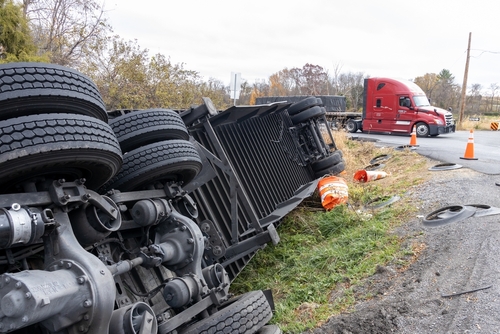
One of the most frequent tactics trucking companies use to dodge liability is to claim their drivers aren’t employees at all. Ask a personal injury lawyer how this tactic affects your claim and what evidence can challenge it. Instead, they classify them as "independent contractors." By doing this, they hope to sever the legal link needed to apply respondeat superior and escape responsibility for the driver's actions.
However, a job title alone doesn't decide the issue. Courts in Texas look at the reality of the relationship between the driver and the company. They examine the level of control the company has over the driver’s work.
Factors that may show a driver is actually an employee include:
- The company controls the driver’s routes and schedule.
- The driver is required to use a truck with the company’s logo.
- The company provides the equipment, tools, and fuel.
- The driver works exclusively for that one company.
If a company exercises significant control over how a driver performs their job, a court may rule that an employer-employee relationship exists, regardless of what the contract says. This makes it possible to pursue a claim against the trucking company even when the company tries to hide behind a label.
Who Else Could Be Responsible for a Truck Accident?
While the focus is often on the truck driver versus the trucking company, the chain of responsibility can be even longer. A comprehensive investigation might reveal that other parties also played a role in causing the crash.
Other potentially liable parties include:
- The Maintenance or Repair Shop: If a third-party mechanic performed a faulty brake job or used defective parts, they could be held responsible for a resulting accident.
- The Cargo Shipper or Loader: Overloading a truck or failing to properly secure cargo can make the vehicle unstable and difficult to control. If the load shifts and causes the driver to lose control, the company that loaded the freight may be liable.
- The Truck or Parts Manufacturer: If the accident was caused by a defective component, such as a tire blowout or steering failure, the manufacturer of that part could be held accountable under product liability laws.
Identifying all responsible parties is essential to ensuring you have access to the full and fair compensation needed to cover your medical care, lost income, and other damages. Get an attorney to help investigate every angle of your case and hold each liable party accountable.
The Importance of a Thorough Investigation
As you can see, determining who pays for a Houston truck accident is a complex process. It’s not just about what happened on the road; it’s about what happened in the trucking company’s offices, maintenance bays, and hiring department weeks, months, or even years before the crash.
A proper investigation requires swift action to preserve crucial evidence before it disappears. This includes:
- The Truck’s “Black Box”: The Electronic Control Module (ECM) and Electronic Logging Device (ELD) record vital data about the truck’s speed, braking, GPS location, and the driver's hours of service.
- Company Records: This includes driver qualification files, drug and alcohol test results, inspection reports, maintenance logs, and post-accident reports.
- Driver Communications: Dispatch records, texts, and emails can reveal if a driver was being pressured to violate safety regulations.
- Witness Statements and Police Reports: Gathering accounts from everyone at the scene provides a more complete picture of the events leading up to the collision.
Piecing all of this evidence together is how you build a strong case that clearly demonstrates fault. Accident injury claim strategies depend on gathering this evidence early and using it to prove liability. It’s the difference between pointing a finger at the driver and truly holding the responsible parties accountable for their choices. The journey to recovery after a serious accident is long, but understanding your rights is the first step toward getting the support you deserve.
FAQs: Trucking Company Liability in Texas
Here are answers to some common questions that arise regarding commercial carrier responsibility in Texas.
What should I do if the trucking company’s insurance adjuster contacts me?
It's wise to be cautious when speaking with an insurance adjuster for the trucking company. Their goal is often to settle the claim as quickly and cheaply as possible, which may not be in your best interest. You are not obligated to give a recorded statement and can decline to answer questions until you've had a chance to understand your rights.
How long do I have to sue a trucking company in Houston?
In Texas, the statute of limitations for personal injury claims is generally two years from the date of the accident. This is a strict deadline, and if you miss it, you may lose your right to seek compensation forever. It's important to act promptly to preserve your legal options.
Can I still have a case if I was partially at fault for the truck accident?
Yes, you may still be able to recover damages. Texas follows a modified comparative fault rule. This means you can recover compensation as long as you are not found to be 51% or more responsible for the accident. Your final award would be reduced by your percentage of fault.
What if the truck driver owns their own truck?
Even if the driver is an owner-operator, the trucking company they are driving for (the motor carrier) can often still be held liable. If the company's logos are on the truck and they control the driver's loads and routes, they are likely leasing the driver's services and can be held responsible under federal regulations and state law.
What kind of compensation can I seek from a trucking company?
You may be able to seek compensation for a wide range of damages, including current and future medical expenses, lost wages, loss of future earning capacity, pain and suffering, physical impairment, and emotional distress.
Does it matter if the trucking company is based in another state?
No, it doesn't prevent you from filing a claim. If the accident happened in Houston, Texas law will generally apply. Any company that operates commercial vehicles on Texas roads is subject to our state and federal traffic safety laws, and they can be held accountable in a Texas court.
Let the Boots and Suits Fight for You

Figuring out the difference between truck driver and trucking company liability in Texas can feel like an uphill battle. You don’t have to take on a powerful trucking corporation and its insurance company by yourself. At Suits & Boots Accident Injury Lawyers, we were founded by two brothers, Jas and Kip Brar, because we were tired of seeing people get shortchanged after a life-altering accident.
We do things differently. Our unique 30-Day Investigation goes beyond a quick consultation to give you real answers about your case. Our Max Money Method is designed to uncover every source of compensation you deserve. We’re here to handle the legal heavy lifting so you can focus on what matters most—healing.
If you’ve been hurt in a truck accident, let our team get to work for you. Claim or start your free Investigation with Suits & Boots Accident Injury Lawyers today by contacting us at (713) 489-0922 or through our online form.